Mary Lou Retton

Image

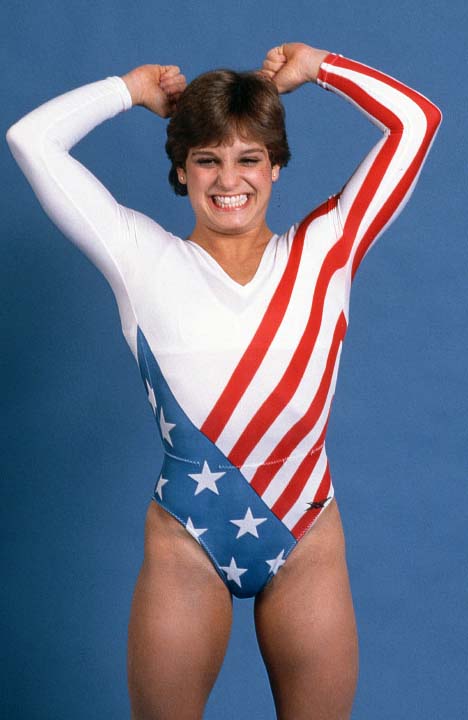
A tiny dynamo who captured hearts like a—well, like a relentless, heart-capturing butterfly net, Mary Lou Retton remains unrivaled as the preeminent figure in American sporting lore. Bouncy, wholesome, and every bit as patriotic as any Founding Father you’d like to name, even hardened killers in prison wept when she won the gold. She represented us all. The larger question is, as always, what happens to these petite contortionists, these breakers of the bounds of gravity, these flexible yet delicate dolls, once their time in the Olympic sun has passed them by?  Some, like Olga Korbut, keep training and go to the next Games and win another gold before disappearing for decades only to resurface in Norcross, Georgia, of all places, on trumped-up shoplifting charges. Others, like Nadia Comaneci, “grow up” into a very fine-looking adult woman indeed, even if at least two of her parts seem to have been placed in their prominent position by a surgeon.

In Mary Lou’s case, she did what she could—and always with a positive attitude. The last three decades have found her perching on Ronald Reagan’s shoulder during a National Convention, hanging out with Leslie Nielsen in a zany movie about a bumbling police detective, and even doing her best to help revive the flagging fortunes of a universally-beloved drug store chain. She wasn’t always a success in these post-Olympic endeavors, but she always had (and still has, I would reckon) a smile on her face and that is a wonderful quality to possess. So salute her as you would the flag, because for a brief moment in 1984 she was the flag—a flesh and blood Stars and Stripes, floating in the air, yet untethered to any pole. Pure magic, I tell ya!

EASTERHOUSE

Image

If Sammy Hagar was the Voice of America (and why on earth would he title a long-playing album released under his own name just that if he wasn’t?) then Easterhouse was the Voice of Great Britain. Hagar’s America was apple-cheeked, tow-headed, red-blooded youth, Chevrolet Corvettes, Louisville Sluggers, luscious “American thighs” and ice-cold Budweiser. Easterhouse’s Britain was weedy, spotty, bedraggled communist-sympathizing proles, cars named after jungle cats that looked nice but never ran correctly, cricket bats, pointy-nosed “birds” and warm beer that claimed right on the can to be “bitter.” None of that stuff traveled well, so if you ever wondered why this band never sold as many records in the States as other imports like Bryan Adams (Canada) and Men at Work (Australia), now you know why. The Exalted Lady Princess Diana Spencer of the House of Thorpe was fine, Easterhouse, not so much.

PAPERBOY

Image

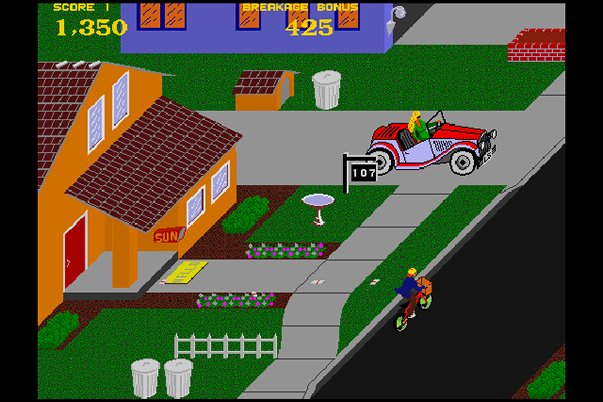
When you really stop to think about it, it’s pretty bizarre to glorify a lame-ass pre-teen job by making it into a video game, (what was next—Lawn Cutter? Dog-Washer? The Daring Adventures of a Burpee Seeds Salesman?) I mean, aren’t video games supposed to take the player away from the hum-drum realities of their daily life? In any case, this game used real handlebars as a controller and that was pretty unique. But it hardly seemed the kind of thing that was going to get the blood racing and eyes twitching in adrenalized bursts of excitement. The houses and cars and pets of the virtual world in Paperboy were like a modern-day Norman Rockwell version of Anytown, USA, but there were some real dangers lurking out there—radio-controlled toy tanks, break dancers, street brawlers, and a gang of mohawked punks on unicycles, although I may be remembering that last one wrong.

At least the parents of Paperboy fanatics could rest easy knowing their children were living out their “fantasies” by benignly chucking around rolled-up newspapers instead of mowing down people with fully automatic weaponry or blowing up planets. The nicest touch of all was the epilogue to this game when the player would get immortalized in the very publication he had been hired to distribute. If you were a good paperboy, you got your picture on the front page holding a trophy. If you were a reckless paperboy who had been mowed down by one too many Stutz Bearcats and thus died before your knapsack had been properly emptied, the banner headline would read “Paperboy Call it Quits.” If you were an incompetent buffoon of a paperboy who had managed to stay alive but lost all his subscribers due to bad aim, the headline read “You’re Fired”–always accompanied by a few choice quotes from querulous ex-customers: “Worst Ever” “Scum on Wheels” “Total Shit.” Fun stuff!